
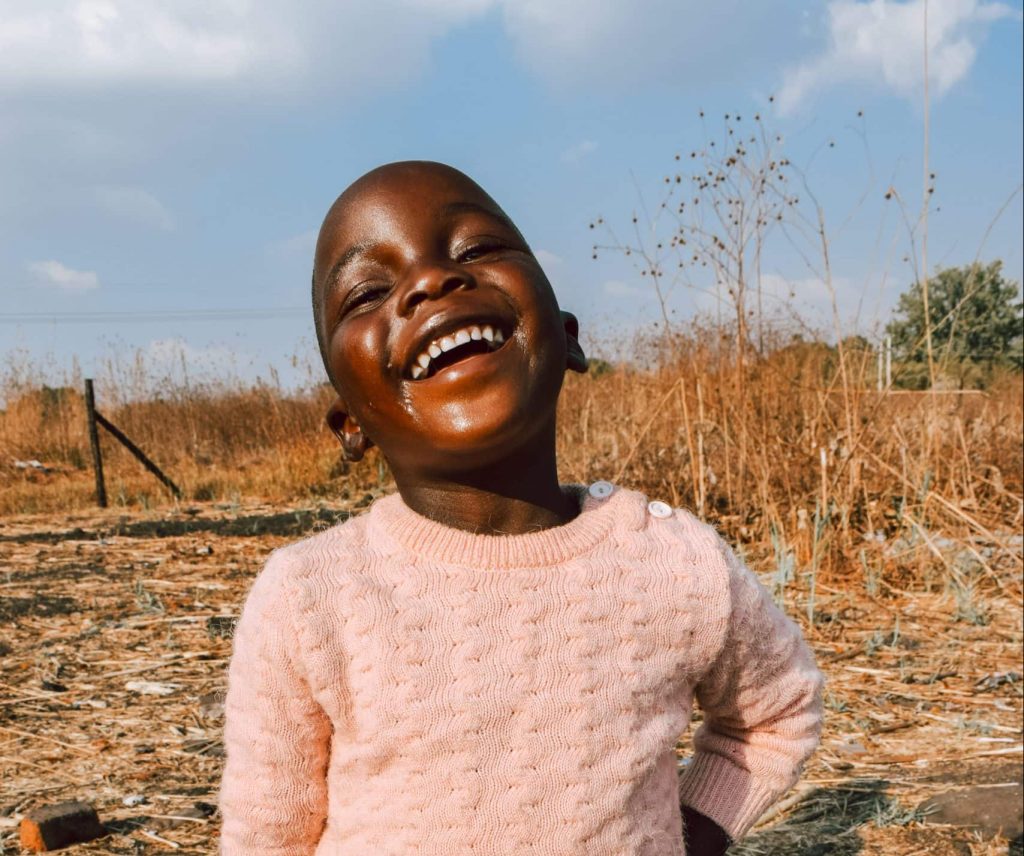
“MY VOICE, OUR EQUAL FUTURE” CELEBRATING INTERNATIONAL DAY OF THE GIRL CHILD
International Day of the Girl Child exists to recognise the rights of girls worldwide and to promote the empowerment of girls everywhere. It came about through the The Beijing Declaration and Platform for Action which stands as the most progressive blueprint ever for advancing the rights of not only women but girls, too. Now, nearly 25 years later, the Platform for Action remains a powerful foundation for assessing progress on gender equality. It calls for a world where every girl and woman can realize all her rights, such as to live free from violence, to attend and complete school, to choose when and whom she marries, and to earn equal pay for equal work.
The Platform for Action specifically calls on the global community to:
- Eliminate all forms of discrimination against girls.
- Eliminate negative cultural attitudes and practices against girls.
- Promote and protect the rights of girls and increase awareness of their needs and potential.
- Eliminate discrimination against girls in education, skills development and training.
- Eliminate discrimination against girls in health and nutrition.
- Eliminate the economic exploitation of child labour and protect young girls at work.
- Eradicate violence against girls.
- Promote girls’ awareness of and participation in social, economic and political life.
- Strengthen the role of the family in improving the status of girls.
“My Voice, Our Equal Future”
To celebrate International Day of the Girl 2020 we took a series of Viva Lily films showing how women in Zimbabwe make tampons from cow dung, maize cobs or paper.
Providing safe, affordable, environmentally friendly Viva Lily menstrual cups means our girls can be confident of good menstrual health, of staying in school, of participating fully and equally in class and on the sports field. With your help our girls will enjoy a future free from fear, stigmatisation and inequality. Nobuhle Shumba demonstrates in this video how cow dung is dried and wrapped in scrap material in order to be used as a tampon.https://player.vimeo.com/video/467363710?dnt=1&app_id=122963
Cultural taboos around inserting a product simply don’t exist when there is nothing else to use but a maize cob. Out in rural Zimbabwe we were able to discuss this with elders from the area who were delighted that their young girls would not have to suffer as they have with irritations, rashes and long term reproductive health issues. Watch our film where Nobuhle shows how a maize cob is used as a makeshift tampon. https://player.vimeo.com/video/467391666?dnt=1&app_id=122963
Planning for your period doesn’t exist when living below the international poverty line. So what do you do when you start your period as you walk to school or whilst you’re in the classroom? Here we show you how girls take a piece of paper, often found on the side of the road or in the rubbish, to make a tampon. Many of our girls don’t have underwear and many of the schools don’t have adequate toilet facilities so getting your period is often a traumatic, frightening event that you cannot control.https://player.vimeo.com/video/467396503?dnt=1&app_id=122963
You can help this cause directly by donating to our 1 Million Cups Campaign and help a girl in Zimbabwe period with comfort and confidence for the next 10 years. Every Cup Counts.


Leave a Reply
Want to join the discussion?Feel free to contribute!